
Ming-Qing Studies Promotion Committee, Academia Sinica
Reading Seminar on Chinese and Western Archives
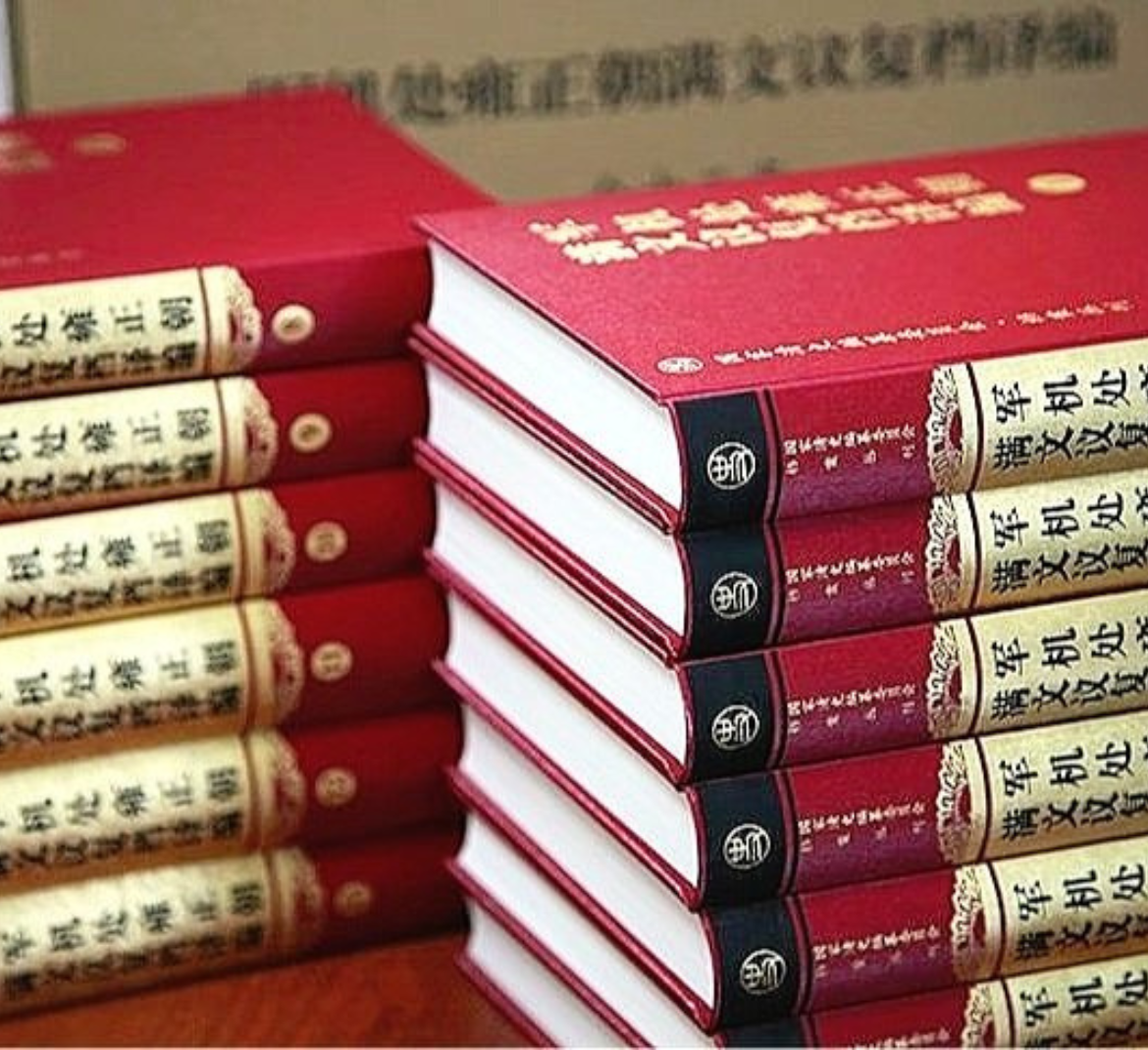
Supported by Academia Sinica’s Ming-Qing Studies Promotion Committee, the Reading Seminar on Chinese and Western Archives meets monthly to read archival documents together with colleagues and graduate students, and has already produced notable results in advancing Ming-Qing history and archival research. In 2023 the seminar convened Qing historians from within and beyond Academia Sinica to read the Junjichu Yongzheng chao Manwen yifudang yibian (Translated Compilation of the Grand Council’s Manchu-Language Deliberation Records from the Yongzheng Reign), newly published by the First Historical Archives of China in late 2021. Through discussion among participants, the seminar develops research questions across politics, military affairs, the economy, ethnicity, and diplomacy, with published papers as its intended outcome.
Ming-Qing Studies Promotion Committee, Academia Sinica
Reading Seminar on Chinese and Western Archives
2023
Supported by Academia Sinica’s Ming-Qing Studies Promotion Committee, the Reading Seminar on Chinese and Western Archives meets monthly to read archival documents together with colleagues and graduate students, and has already produced notable results in advancing Ming-Qing history and archival research. In 2023 the seminar convened Qing historians from within and beyond Academia Sinica to read the Junjichu Yongzheng chao Manwen yifudang yibian (Translated Compilation of the Grand Council’s Manchu-Language Deliberation Records from the Yongzheng Reign), newly published by the First Historical Archives of China in late 2021. Through discussion among participants, the seminar develops research questions across politics, military affairs, the economy, ethnicity, and diplomacy, with published papers as its intended outcome.
Learn About Our Project
The principal sources for this year’s seminar are the Manchu and Chinese deliberation records (yifudang) of the Grand Council from the Yongzheng reign: the Manchu portion was published by the First Historical Archives of China in 2021, while the IHP’s Fu Ssu-nien Library holds the Chinese portion on microfilm. The Grand Council was the Qing’s central decision-making body, assisting the emperor in governance and playing an enormous role, and its operations generated vast quantities of records, such as monthly memorial packets, registers, and maps. The deliberation records belong to the Grand Council’s registers of memorial business: volumes into which the Council copied the memorials and enclosures in which grand councillors deliberated or investigated matters on imperial order or requested instructions, reflecting the Qing court’s conduct of government. Begun in the Yongzheng reign, they were kept in two series, “military affairs” and “ordinary affairs,” the former more numerous, and they largely concern military affairs in the northwest, covering both the northwestern frontier and the northeast. Reading the Yongzheng-era Manchu deliberation records clarifies the development, functions, and decision-making processes of the Grand Council, while filling gaps in Chinese-language sources and other archives and broadening the horizons of Qing history. Earlier scholars such as Chuang Chi-fa, Qu Liusheng, Beatrice S. Bartlett, and Ueda Hiroyuki have studied and used these and other Grand Council archives, but much room for development remains. Building on the newly published Translated Compilation, the seminar’s collation and close reading of the documents will pursue deeper multilingual comparison and source criticism to advance related research.
Beyond these records, the seminar also discusses archives held separately by the IHP, the National Palace Museum, and the First Historical Archives of China, including the Grand Secretariat archives, palace memorials with vermilion rescripts, and the Grand Council’s copies of memorials. This supports the writing of papers by several scholars and graduate students and broadens inquiry into the interaction between central political decision-making and local society and economy in the Qing—work of considerable importance for the next generation of scholars.
The Reading Seminar on Chinese and Western Archives has a ten-year history, and participating scholars and graduate students have formally published more than a dozen articles as a result—for example, “The ‘Little Prince’ Family and the Development of the Guihua Tümed” (Li Hua-yen 李華彥) and “Land Reclamation by Han Commoners between Khüree and Kyakhta in the Qing, 1755–1911” (Wang Shih-ming 王士銘), both published in issue 57 of the Bulletin of Historical Research of National Taiwan Normal University. The seminar will use the Translated Compilation to study diverse questions of Qing politics, military affairs, economy, ethnicity, and diplomacy, examining interactions between the Qing’s central decision-making organs and local society and building narratives that overturn the opposition of center and periphery. It will also reproduce the Grand Council copies of memorials, the palace memorials with vermilion rescripts, and related sources from the Fu Ssu-nien Library to supplement and extend its discussions. Finally, workshop presentations and reports, lectures by senior scholars, and the writing and publication of subsequent papers will foster scholarly exchange and development.
In sum, close reading of the archives will strengthen participants’ skills in source analysis and in articulating research questions; reading multilingual, non-Chinese sources side by side will refresh research perspectives and open up local, frontier, and Inner Asian history; and discussion between scholars and graduate students, lectures and exchanges with scholars in Taiwan and abroad, and the publication of research results will deepen and broaden Qing-history research in Taiwan and raise its international visibility.
Meeting Notes
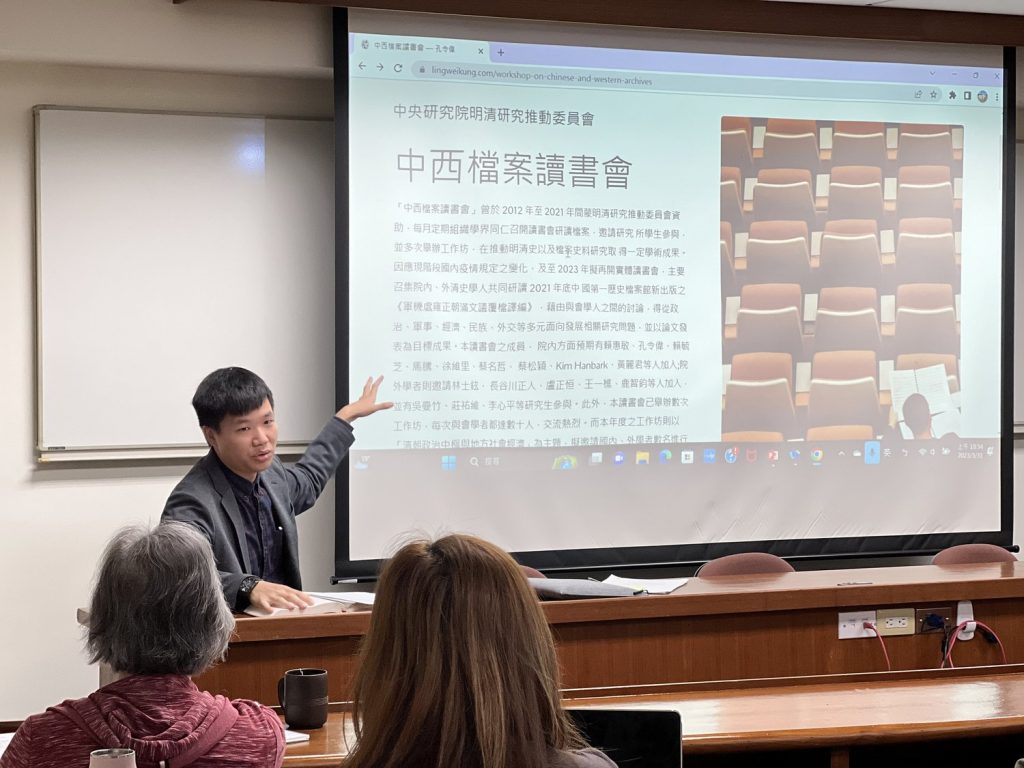
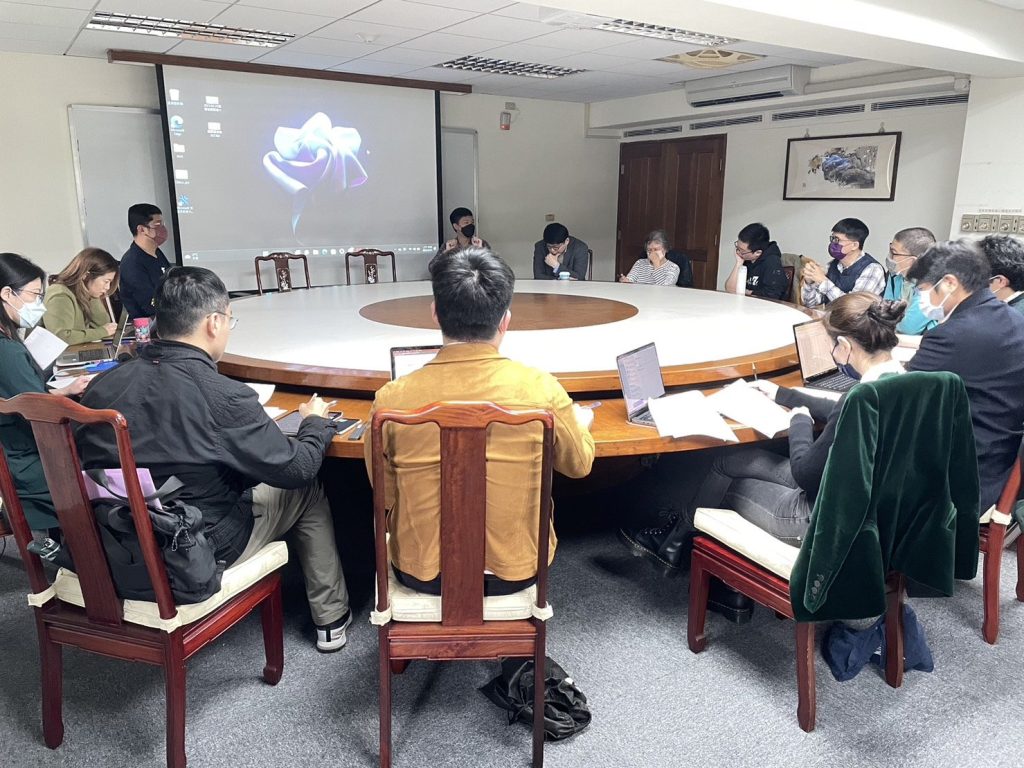
Principal
Investigator
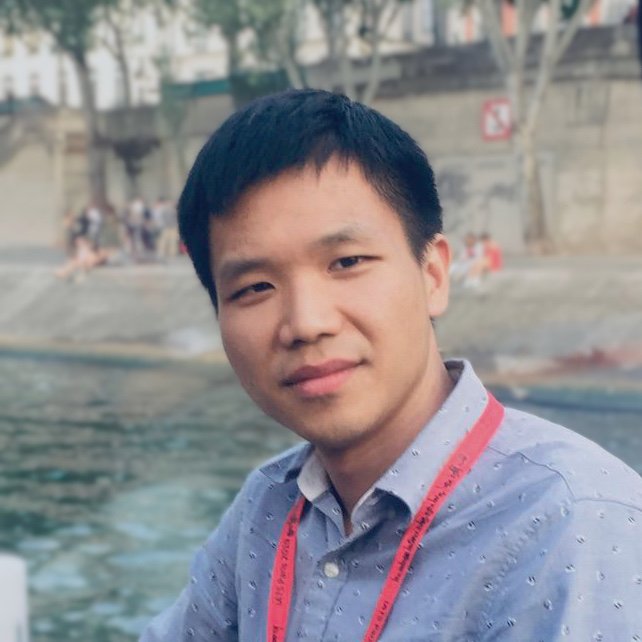
Ling-Wei Kung
Assistant Research Fellow, Institute of History and Philology, Academia Sinica
Research fields: Yuan, Ming, and Qing China and Eurasian exchange; history of science and technology; global history; Inner Asian philology
Co-Principal
Investigator
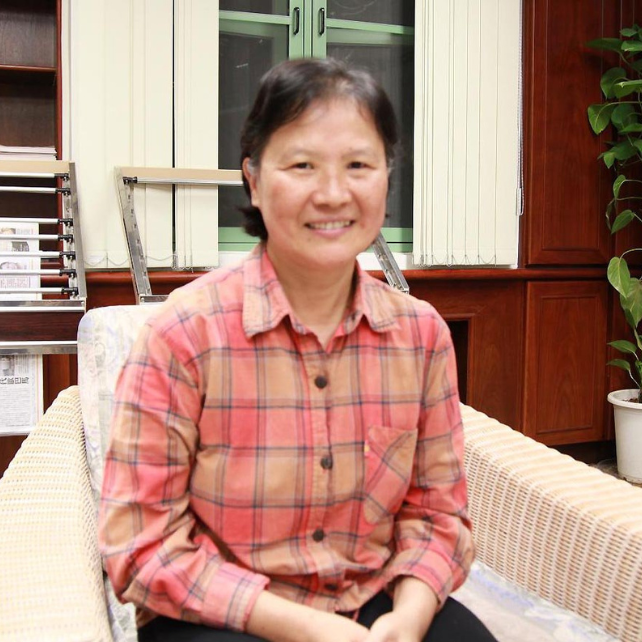
Lai Hui-min 賴惠敏
Research Fellow, Institute of Modern History, Academia Sinica
Research field: Qing history