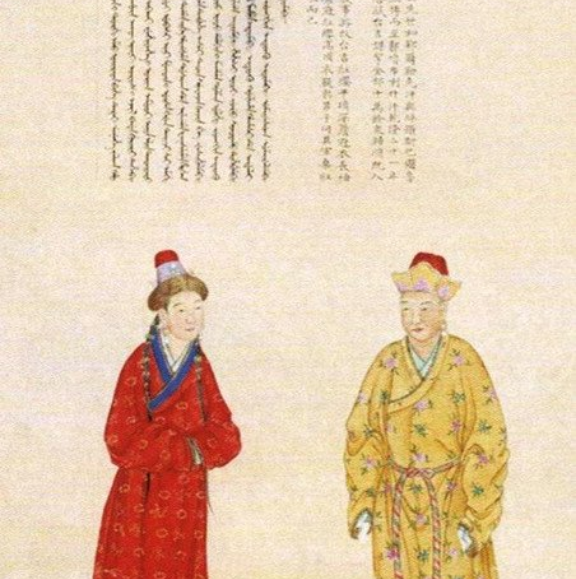
Centered on the concept of fan 番, this project compares how the Qing empire classified and governed the peoples of the Qinghai–Kham–Tibet plateau and Taiwan’s Indigenous peoples, asking how the translation of terms, institution-building, and administrative practice formed a cross-regional imperial language of governance.
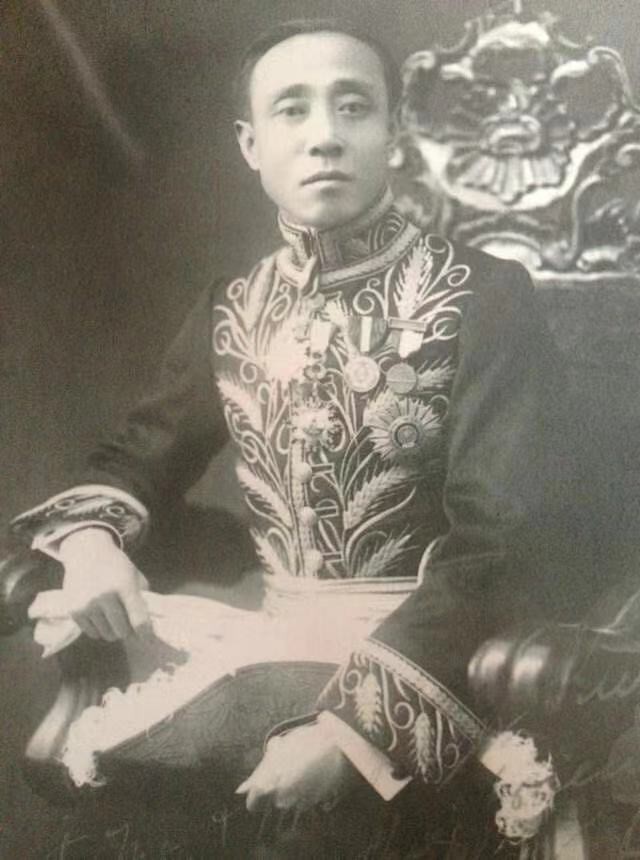
Through the life of the modern diplomat Iuming Suez (史悠明), this project examines Sino-Tibetan relations in the late Qing and early Republic, the reorientation of Republican foreign policy and its knowledge systems, and the shaping of geopolitics in modern Asia.
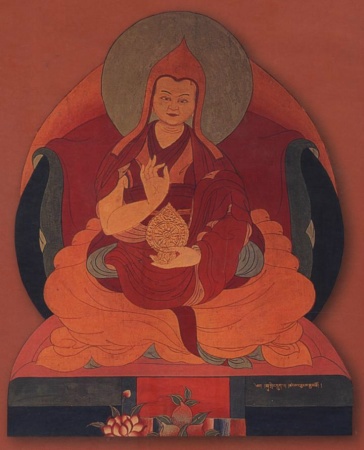
An English-language book project. Tibetan Buddhist reincarnation is usually treated as a matter of religious doctrine; this book shows how it was entwined with statecraft and how sacred authority was transmitted amid rupture.
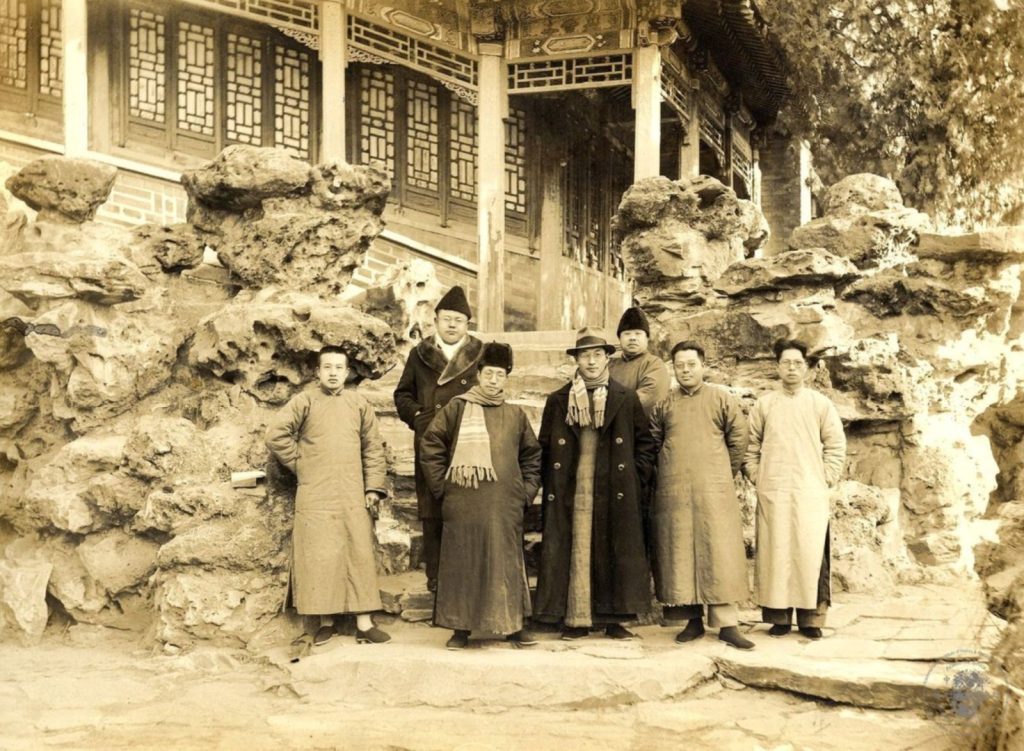
Founded in 1928, the Institute of History and Philology is approaching its centennial. The Research Group on the History of the IHP collects, records, and compiles the Institute’s history while planning scholarly events and publications for its hundredth anniversary.
This project surveys unpublished Qing maps of the Western Regions held in collections in Taiwan and abroad, tracing how cartography and geographical knowledge of the Western Regions developed before and after the Qing conquest of the Zunghars in the mid-eighteenth century.
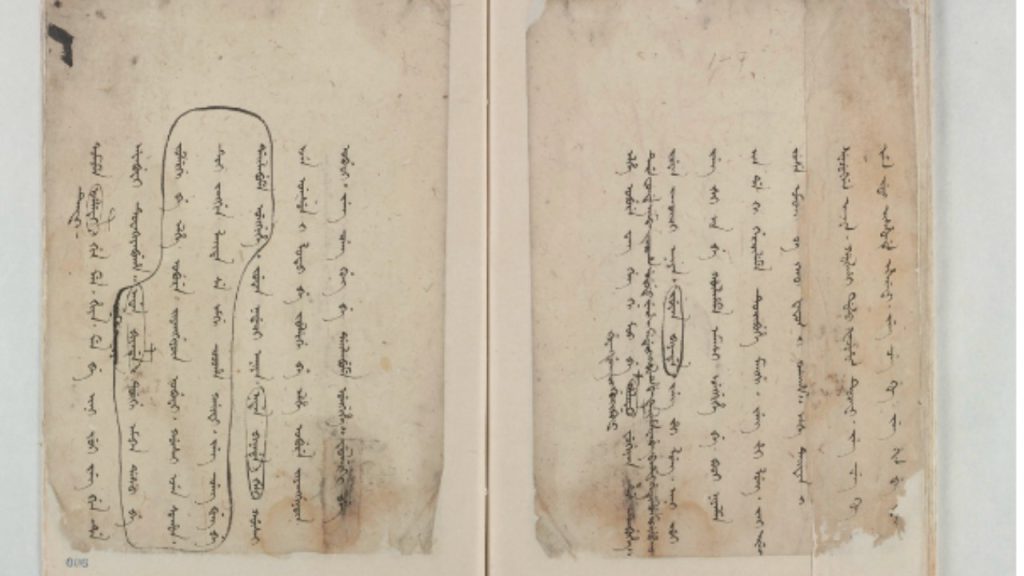
A study of the Manchu and Chinese texts of the Pingding haikou fanglüe 平定海寇方略 held by the Institute of History and Philology. Reading Manchu sources through global-historical perspectives and digital-humanities methods, the project offers new and plural perspectives on the relationship between the Qing and Taiwan.
This project promotes long-term, cross-regional comparative research on the relationship between politics and religion, fostering exchange at the frontiers of humanities scholarship in Taiwan and of international East Asian studies.
Workshop-style conference to foster discussion about border-crossing over the longue duree history of late imperial China. Sponsored by James P. Geiss & Margaret Y. Hsu Foundation.
Scholars in Taiwan and abroad have increasingly turned to Inner Asian and maritime history, placing Chinese and Taiwanese history in global context, while Taiwan’s “New History” has emphasized bottom-up social history, the history of medicine, and gender history. The movements of peoples between the sixteenth and eighteenth centuries profoundly shaped East Asia and leave much still to explore.
Collating the IHP’s Manchu and Chinese texts of the Pingding haikou fanglüe chapter by chapter to examine how the Qing constructed memory and identity around Zheng-era Taiwan.
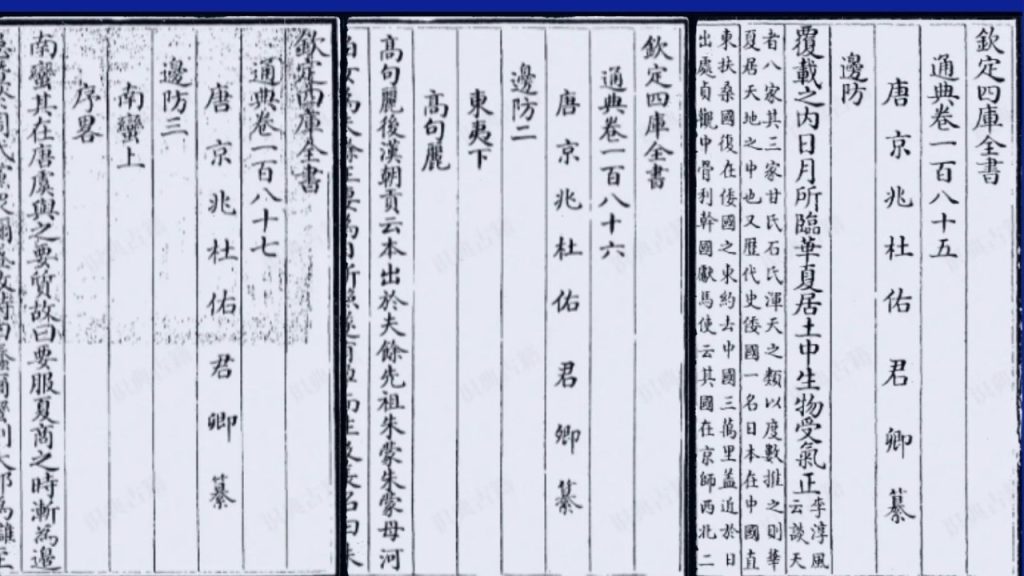
A line-by-line reading of the Frontier Defense section of Du You’s Tongdian through source criticism and textual collation, with annotated translations published in Disquisitions on the Past & Present.
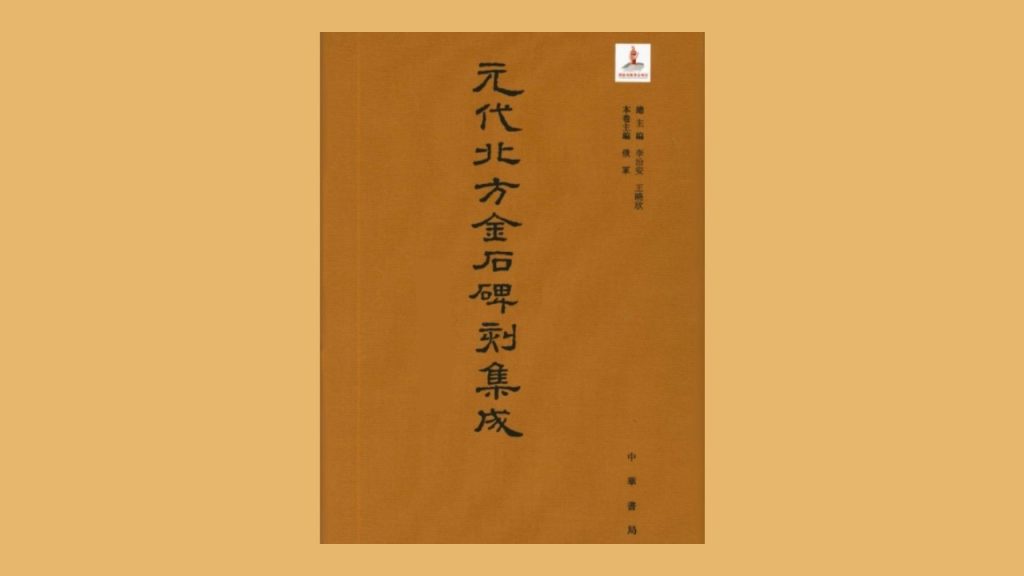
Reading stele inscriptions from the Liao, Jin, and Yuan through transcription, collation, and annotation to examine the political, religious, and social worlds they reveal.
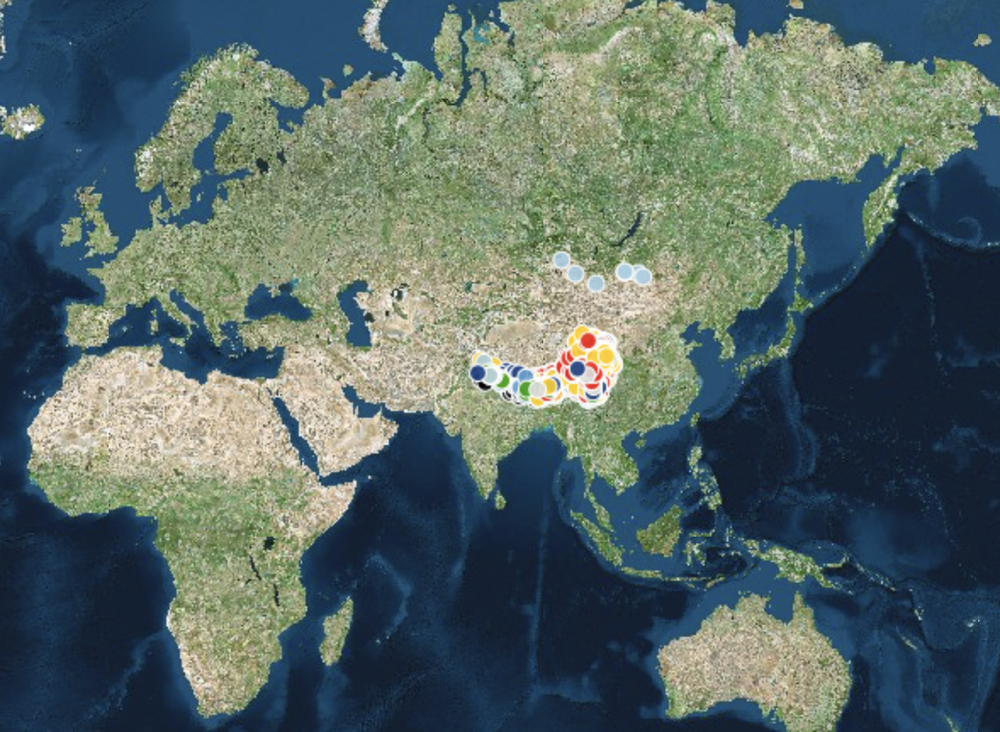
Project LeaderExplore affiliations and founding dates across more than 2,700 monastery records, alongside livestock records from Amdo. See the project page for data coverage, version notes, and methods.
Expert of China and Inner AsiaThe UBC DRH began as one of the flagship initiatives of the Cultural Evolution of Religion Research Consortium (CERC), based at the University of British Columbia in Vancouver. It now continues as an independent academic initiative, based at UBC but involving partners and collaborators from all over the world.
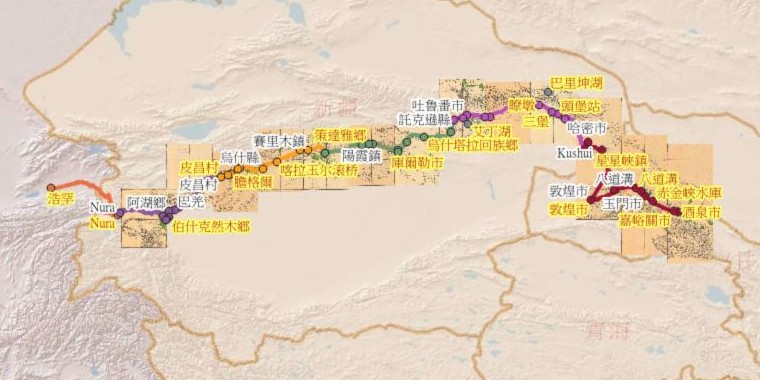
Project Lead (with Hsiung-Ming Liao)An interactive historical GIS of Suningga’s Wanli huijiang tu, a late eighteenth-century Qing route map of Xinjiang, built with the Center for GIS, RCSS, Academia Sinica. Users can overlay the map’s routes and place names on Qing historical maps, a 1:500,000 atlas of Hexi and Xinjiang, and Ming postal routes.